{"product":{"productId":"agid.22025","price":536.41,"name":"Locating cylinders, steel, pneumatic"},"currency":"EUR"}


Matière
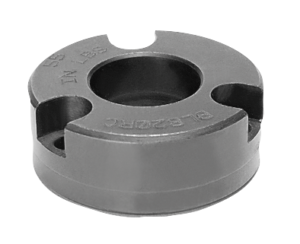
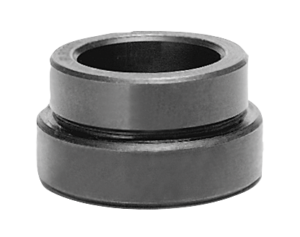
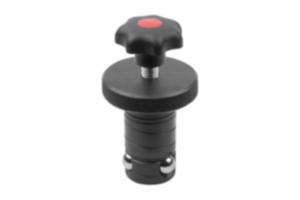
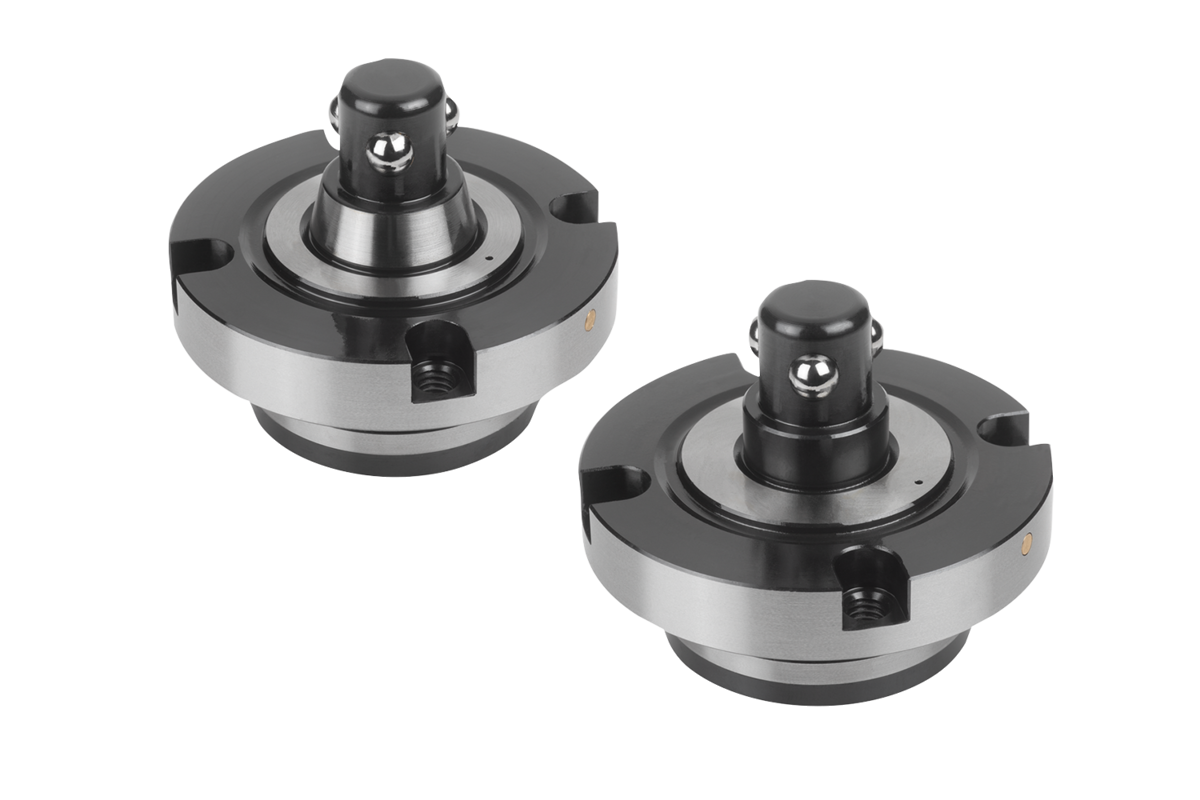
Housing and clamping cylinder, carbon steel.
Balls, stainless steel.
Balls, stainless steel.
Finition
Housing hardened and black oxidised.
Contact faces ground.
Contact faces ground.
Afficher plus
Afficher moins
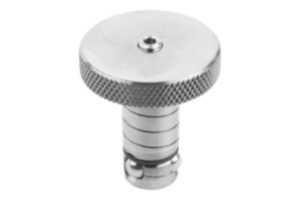
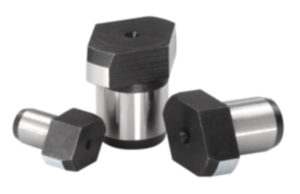
Locating cylinders, steel, pneumatic, Form A
à partir de
623,96 €
hors TVA
hors frais d’envoi
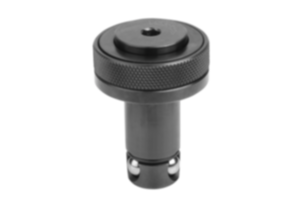
Locating cylinders, steel, pneumatic, Form C
à partir de
536,41 €
hors TVA
hors frais d’envoi
Description
Matière
Housing and clamping cylinder, carbon steel.
Balls, stainless steel.
Balls, stainless steel.
Finition
Housing hardened and black oxidised.
Contact faces ground.
Contact faces ground.
Nota
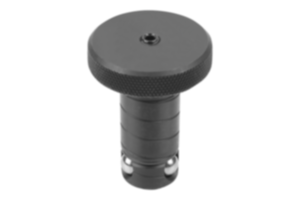
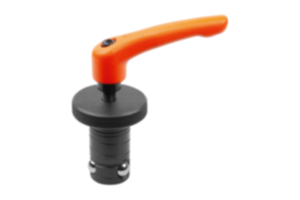
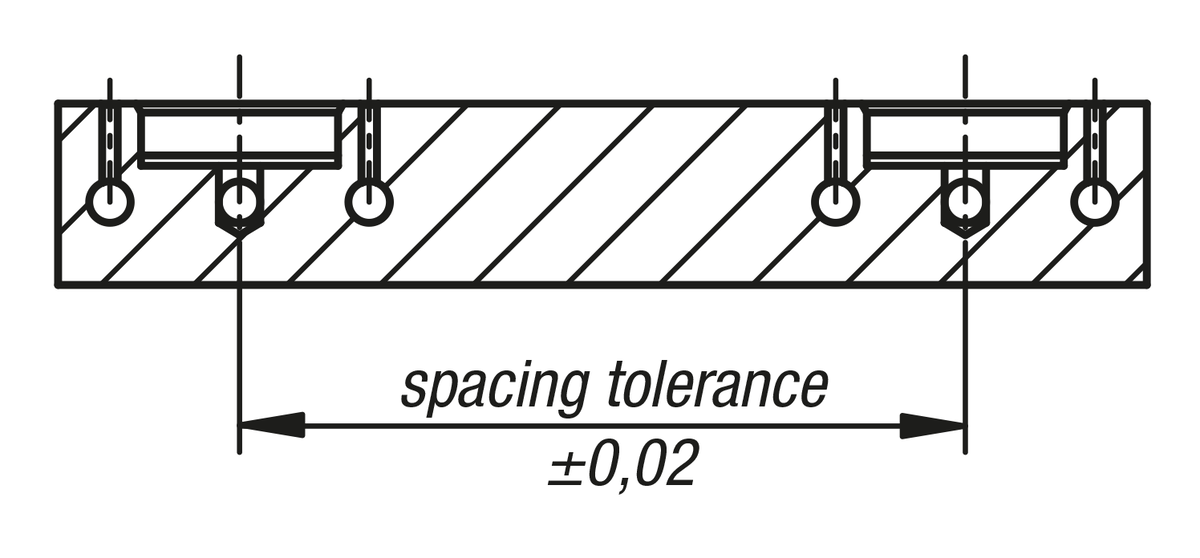
This positioning and clamping system is especially suitable for installation in fixtures (plates, clamping tower blocks, etc.) in all mounting positions. The modular design allows the number of and distance between the locating cylinders to be ideally adjusted to suit the clamping task. Due to the small diameters, the spacing between the locating cylinders can also be reduced.
The 3 clamping balls are mechanically released through control of the locating cylinder with the ”opening” connection. The 3 clamping balls move inward and the fixture can be changed quickly. For clamping, the air is taken from the ”opening” connection and the ”clamping” connection then receives air on the locating cylinder. The 3 clamping balls are mechanically driven outward again and the new fixture is clamped.
To achieve optimal retaining force, the locating cylinder remains connected to the air.
The 3 clamping balls are mechanically released through control of the locating cylinder with the ”opening” connection. The 3 clamping balls move inward and the fixture can be changed quickly. For clamping, the air is taken from the ”opening” connection and the ”clamping” connection then receives air on the locating cylinder. The 3 clamping balls are mechanically driven outward again and the new fixture is clamped.
To achieve optimal retaining force, the locating cylinder remains connected to the air.
D'autres clients ont également acheté